How Much Water Should You Store? A Complete UK Guide
Ad: This page contains affiliate links. We may receive a commission if you purchase through them, at no extra cost to you.
Start with 3 litres per person per day as a minimum, or 10 litres if you want to cook and wash as well. Those two numbers come from different places, and your household's real figure depends on who lives with you. This guide explains both, plus what your water company has to plan to provide if the supply fails.
The short answer
For drinking water, GOV.UK's Be Ready campaign recommends:
- 3 litres of drinking water per person per day, for 3 days, with extra for baby formula, medical devices and pets.
- More on top for cooking and washing. GOV.UK doesn't say how much, so our calculator uses 10 litres per person per day as a comfortable amount that covers basic cooking and hygiene too.
For one adult over 3 days, that works out to 9 litres at the minimum, or 30 litres at the comfortable figure.
Where the numbers come from
Online advice often says "the government recommends" without naming a figure. GOV.UK's Be Ready campaign publishes one: a drinking minimum of 3 litres a person each day, held for 3 days. It mentions cooking and washing but gives no amount for them. The 10 litre comfortable figure in our calculator is our own allowance for that extra. GOV.UK does not set one.
Neither is a legal requirement. Nobody has to store water at home. The GOV.UK figure is planning guidance, and the Be Ready campaign behind it encourages households to cope on their own for a few days during something like a power cut or a water supply interruption.
The company's own supply duty
Water companies work to a separate figure, for a different purpose. Under the Security and Emergency Measures Direction 2022 (SEMD), regulated by the Drinking Water Inspectorate under Section 208 of the Water Industry Act 1991, water companies in England and Wales have their own planning obligation:
- 10 litres per head of population within the first 24 hours of a supply failure, and every 24-hour period after that.
- Rising to 20 litres per head per day after day 5, for as long as piped supply remains out.
That is what your supplier has to plan to deliver, usually as bottled water, tankers or bowsers, if the pipes fail. It doesn't promise a time for fixing the fault, and it isn't advice on what to keep at home. Treat it as a backstop. Getting bottled water to every street takes time, so your own store is what you drink in the meantime.
Your own household's figure
The GOV.UK figure is per person, so the total depends on how many of you there are, how many days you plan for, and whether anyone needs more than a typical adult. For 3 days it scales like this:
| Household | Minimum (3 days) | Comfortable (3 days) |
|---|---|---|
| 1 adult | 9 L | 30 L |
| 2 adults | 18 L | 60 L |
| 2 adults, 2 children | 36 L | 120 L |
| 4 adults | 36 L | 120 L |
Then add for anyone who needs more:
- Pregnancy and breastfeeding. The European Food Safety Authority's dietary reference values add about 300 ml a day in pregnancy and 700 ml a day when breastfeeding.
- Babies on powdered formula. Every feed needs clean, boiled water on top of everything else. Ready-to-feed formula needs none.
- Pets. We use UK veterinary planning rates of 40 ml per kg of body weight a day for dogs and 35 ml for cats.
- Anyone over 65. Dehydration risk rises with age, so plan on the comfortable amount.
- Exercise or hard physical work. Sweat-rate ranges from the American College of Sports Medicine and the Korey Stringer Institute run from about 0.3 to 1 litre an hour, depending on how hard you're working.
Work out your exact number
Doing all that by hand gets fiddly. The calculator runs the same sums from your answers and gives you two totals, a minimum and a comfortable one, along with the gap between those and your current store.
Work out your household's water →Don't forget non-drinking water
Everything above is drinking water. Flushing the toilet, a basic wash and cleaning up take more on top, and GOV.UK doesn't put a figure on it. Keep this water apart from your drinking supply. It doesn't need food-grade containers or the same rotation, and if the two get mixed up it's easy to end up short of the water you actually need to drink.
How to store it safely
However much you keep, the same rules apply:
- Use food-grade containers only, kept sealed and stored somewhere cool and dark, away from direct sunlight and household chemicals.
- Check the date on shop-bought bottles. For containers you've filled at the tap, see our storage guide on how often to change them.
- Never drink water from a water butt. It's fine for flushing or the garden. Our water butt guide explains why.
- If stored water ever looks cloudy, smells odd or tastes off, don't drink it. Empty the container, rinse it well and refill it.
A practical starting kit
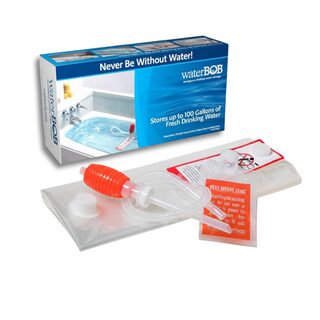 WaterBOB Emergency Water Container
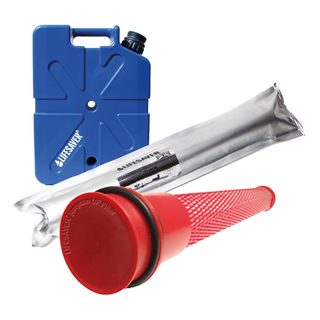 LifeSaver Jerrycan (Starter Pack)
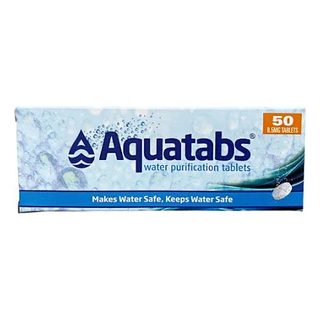 Aquatabs Water Purification Tablets
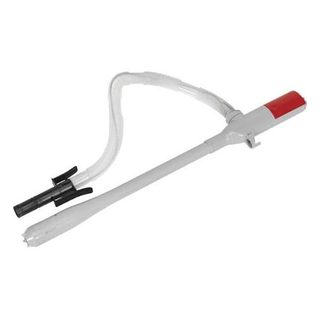 Sealey Battery-Powered Siphon Pump
Questions about quantities
What's a sensible amount of stored water per person?
The drinking minimum is 3 litres a day for every person in the home, and Be Ready, run by GOV.UK, asks for 3 days' worth of it. Our calculator's comfortable figure, 10 litres per person per day, is our own and allows for cooking and washing; GOV.UK gives no number for those.
Three days' supply: what does it add up to?
At the GOV.UK minimum of 3 litres per person per day, one adult needs about 9 litres for 3 days. At the 10 litre comfortable figure, that rises to 30 litres. A household of four would need roughly 36 litres at the minimum, or 120 litres at the comfortable figure, before adding anything for pets, babies, or medical needs.
How long does a UK water company have to fix a supply interruption?
Repairs have no fixed deadline; it depends on what went wrong. What companies do have is a planning duty under the Security and Emergency Measures Direction 2022, overseen by the Drinking Water Inspectorate: 10 litres a head within the first 24 hours of a supply failure, then 20 litres a head each day after day 5, until the pipes are back. That duty is about company planning, not a promised timescale for any one home.
Can I use the tap under a boil notice?
Yes, but anything you'll swallow has to be boiled first. That covers drinking, food and teeth. Showers, laundry and the loo are fine as they are. Our supply cut guide has the full Drinking Water Inspectorate advice, and your water company's notice comes first if it differs.
- GOV.UK Be Ready: water supply interruptions or outages: source for the 3 litres of drinking water per person per day, for 3 days. The 10 litre comfortable figure is WaterReady's own.
- Drinking Water Inspectorate: Security and Emergency Measures Direction (SEMD): source for water companies' 10 and 20 litres per head planning duty.
- Drinking Water Inspectorate: Receiving a boil water notice: source for the boil notice answer.
- European Food Safety Authority: Dietary reference values for water: source for the pregnancy and breastfeeding additions.
Minimum requirements for all
x140 Kirkland Water (500ml)
Drinking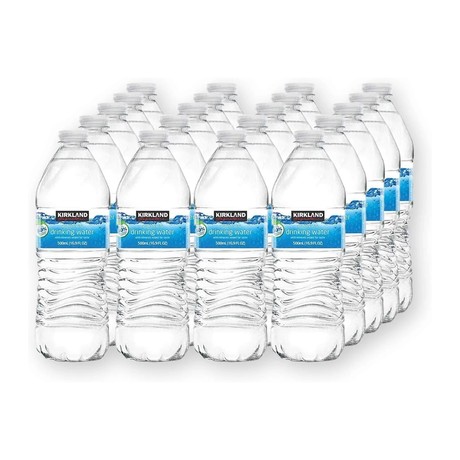
Purpose: cover your minimum drinking-water gap without a large storage footprint. 140 x 500ml bottles of natural spring water.
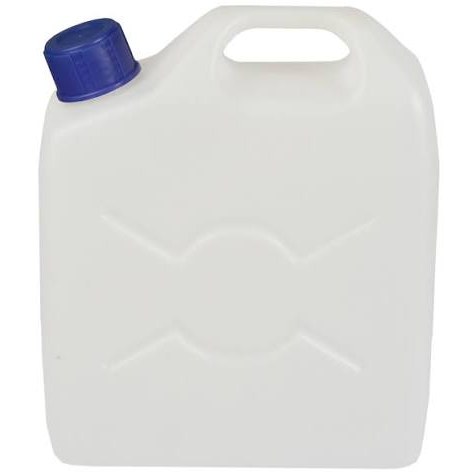
Purpose: efficient storage for larger gaps with limited cupboard space. Empty, refillable 5L container, food-quality polyethylene, rectangular shape for efficient stacking.
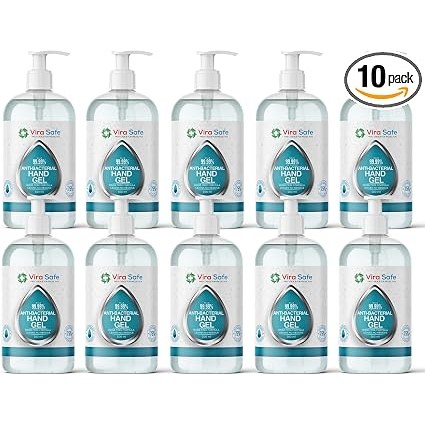
Purpose: basic hygiene cover when water is limited, per government guidance. 70% alcohol, UK-made, contains Vitamin E and Aloe Vera.