Thames Water Hosepipe Ban: What It Means for Your Household
What happened
Thames Water has a temporary hosepipe ban (Temporary Use Ban) in place for its customers, introduced to protect water supplies, rivers and reservoirs during what the company describes as an exceptionally dry period. According to Thames Water's own hosepipe ban page, last updated 1 September 2026, the restrictions remain in force, and while recent rainfall has been welcome, sustained rainfall is still needed before they can be lifted.
Who is affected
All customers supplied by Thames Water, which covers London, the Thames Valley, and the Home Counties, according to the company's own statement. Some customers, activities and businesses are exempt — see Thames Water's exemptions page for the full list, which includes wastewater-only customers, health and safety needs, animal welfare, food production, and disability or medical needs.
What you can and can't do
Thames Water states you must not use a hosepipe, sprinkler or pressure washer to water gardens, lawns or allotments; fill paddling pools, swimming pools or hot tubs; or clean vehicles, patios, driveways, paths, walls, windows or outdoor surfaces. You can still water plants with a watering can, use stored rainwater from a water butt, and wash your car using a bucket. The ban does not restrict everyday indoor use such as drinking, cooking, or washing.
How long it's expected to last
As of 1 September 2026, Thames Water has not confirmed an end date. The company states it will continue to monitor river levels, groundwater and reservoir storage, and will lift the restrictions "as soon as conditions allow," updating its page when there is a change.
Compensation
No compensation applies specifically for being under a hosepipe ban (Temporary Use Ban) — this is a demand-restriction measure under Section 76 of the Water Industry Act 1991, separate from a formal Emergency Drought Order, which carries its own compensation provisions for interrupted essential supplies. A standard hosepipe ban does not interrupt your water supply itself, so the Guaranteed Standards Scheme payments for supply interruptions do not apply here.
Worth having in before restrictions get tighter
Not sure how much water you'd need if this happened to you?
Use our free calculator to work out exactly how many litres your household should have on hand, based on who's in it and how many days you'd want to cover.
Use the emergency water calculator →Be ready for the next one: the UK Household Emergency Binder
Water cut-offs, boil water notices, hosepipe bans, power cuts, floods and frozen pipes, plus your own emergency contacts and kit checklist, in one fillable PDF based on official UK guidance.
See the binder →Preparing generally, not just for this incident
Whatever your own supplier and circumstances, the same basics apply: knowing how much to store, how to store it safely, and what to do if your supply is ever cut off.
Read our full guide to water supply interruptions →Minimum requirements for all
x140 Kirkland Water (500ml)
Drinking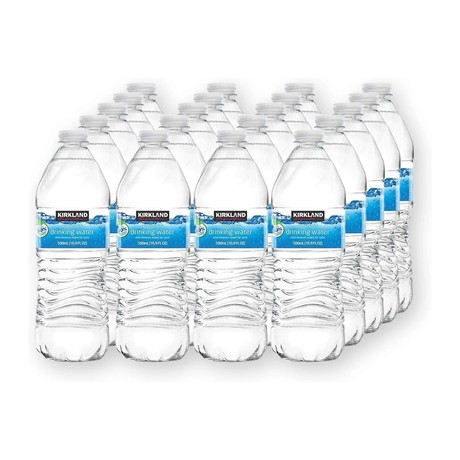
Purpose: cover your minimum drinking-water gap without a large storage footprint. 140 x 500ml bottles of natural spring water.
Inpress Plastics 5L Water Container
Drinking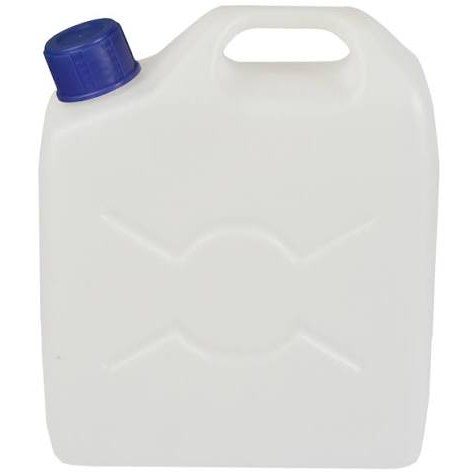
Purpose: efficient storage for larger gaps with limited cupboard space. Empty, refillable 5L container, food-quality polyethylene, rectangular shape for efficient stacking.
x10 Vira Safe Hand Sanitiser (500ml)
Hygiene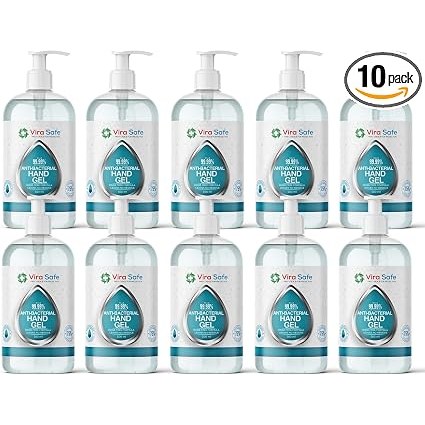
Purpose: basic hygiene cover when water is limited, per government guidance. 70% alcohol, UK-made, contains Vitamin E and Aloe Vera.